
Chia in the oatmeal, a spoon of spirulina in the smoothie, matcha instead of coffee, a handful of goji on top. And the feeling that this is "doing something for your health," that the exotic stuff is the better choice that will finally make you lean and fit. Marketing played that perfectly. The truth is duller. No single food will save you, not even the most expensive one. And "superfood" is not a category from science. It is a label from an ad.
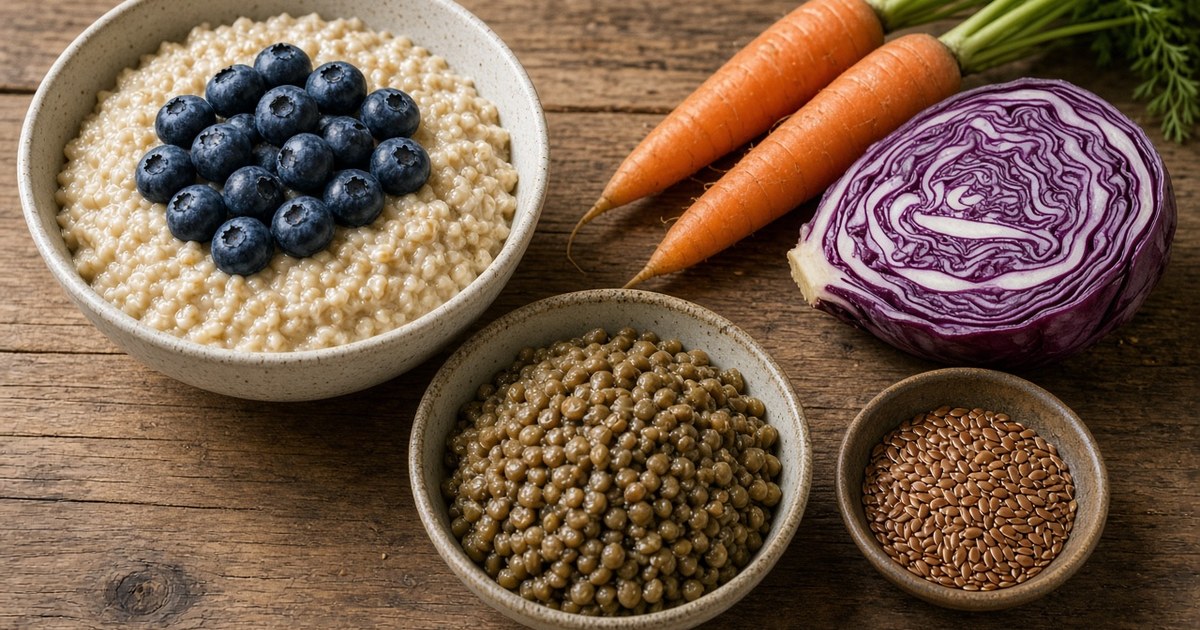
Not really, if the goal is your health or your physique. "Superfood" is a label from advertising, and no single food cancels an otherwise poor diet. Blueberries, carrots, cabbage, legumes, and oats deliver what the expensive exotic stuff does, at a fraction of the price. Have chia or matcha if you like the taste.
"Superfood" is not a scientific term
Start at the base, because that part usually gets skipped. The word superfood has no official definition. You will not find it in nutrient tables or in food standards. It was born in marketing, so a product would sell better and at a higher price. It is the wrapper, not the contents.
That does not mean chia or blueberries are "bad." They are fine foods. The problem is the extra promise: that this one ingredient has a power the others lack, and that adding it changes something fundamental. It does not. No single food works miracles, and, more important, it does not cancel an otherwise poor diet. Spirulina does not contain a switch that turns off a calorie surplus, too much sugar, and the vegetables you are not eating.
Expensive exotic food versus cheap ordinary food
This is the core of the myth. Expensive exotic "superfoods" are sold with the aura of a better choice, but in practice they deliver nothing you cannot get from ordinary cheap food in any grocery store, and often you get less of it. Antioxidants, fiber, vitamins, minerals: you have those elsewhere, at a fraction of the price.
| The expensive "superfood" | Ordinary food that covers the same job |
|---|---|
| Goji berries (antioxidants, vitamin C) | Blueberries, peppers, carrots, cabbage |
| Acai powder (antioxidants) | Dark fruit, red cabbage, beets |
| Matcha (antioxidants, a "lift") | Ordinary quality tea or coffee |
| Spirulina (protein, minerals) | Legumes, eggs, leafy greens |
| Chia (fiber, omega-3) | Oats, flaxseed, fish |
On money it gets funny. For the price of one bag of exotic powder you can buy vegetables, legumes, and oats for the whole week. And those do more for your body, because you actually eat enough of them.
The whole diet decides, not one ingredient
Here is the dull, true point. Whether your diet is healthy, and whether you lose fat, is not decided by any single "miracle" item. The whole picture decides: how varied your eating is, how many vegetables and how much fruit you get, whether you eat enough protein, whether you are in a deficit or at maintenance, and whether you move.
No spoon of spirulina saves that or ruins it. When the base is in place, superfoods add almost nothing. When the base is missing, superfoods do not replace it. Marketing sells the opposite illusion: add one thing and the rest sorts itself out. It does not.
Some have a decent profile, and they still do not flip the day
Be fair, so this does not sound like a hunt for chia. Some of these foods have an objectively decent nutrient profile. Chia has fiber and omega-3, flaxseed does too, and matcha has antioxidants. Those are real. I am not inventing them.
What decides is the amount you actually eat. A spoon of chia in oatmeal, or a pinch of spirulina in a smoothie, does not flip the picture of the day. It is a drop in the bucket. So, fine: if you want chia for the taste and the texture, have it. Matcha tastes better to you than coffee? Great. Do it for the taste, not for the myth that it will save you. That is the whole difference.
The trap: you bought the powder, so you feel you did something extra
Now the expensive part. I do not mean the price. I mean the consequence. The most costly thing about superfoods is not the powder. It is the feeling it creates. You buy an expensive bag, stir it into breakfast, and feel that you are "doing enough for your health." That calms you down, and you stop dealing with the base.
The base is the only thing that decides: enough vegetables, enough protein, a deficit or maintenance depending on the goal, and movement. And that base is still missing. The result is money and attention spent on a feeling that goes nowhere. A quieter conscience from a powder is worse than no powder, because it puts you to sleep.
What to do with this in practice
No exotic rules, and no magic. Build the diet on the basics, and treat superfoods as a bonus, not a requirement:
- Build on the basics. Vegetables, fruit, protein, whole grains, legumes. Varied, and inside the calories that match the goal (a deficit, or maintenance). That is where the result comes from.
- Variety beats any single "super" item. More colors on the plate, more sources. That gives you a wider spread of nutrients than any one powder.
- Superfoods are a bonus for taste, not a requirement. Chia, matcha, blueberries: have them if you like them. Do not pay for a feeling, do not expect a miracle, and do not build the diet on them.
- Put the money into the base. For the price of exotic powders you can buy a pile of ordinary vegetables, fruit, and protein. That is the best "superfood" you can buy.
So the next time an ad tells you this one exotic food will finally save you, translate it: it is a fine food, and nothing more than what an ordinary store sells for a few dollars. A label does not build your health or your physique. The whole diet does, plus variety, plus what you actually eat day after day. Build the base. The rest is a bonus. Be Effective!
Frequently asked questions
What can I use instead of expensive superfoods?
Swap goji for blueberries, peppers, carrots, or cabbage. Swap acai for dark fruit, red cabbage, or beets. Swap matcha for ordinary quality tea or coffee. Swap spirulina for legumes, eggs, and leafy greens. Swap chia for oats, flaxseed, or fish.
Do superfoods have any benefit at all?
Some have an objectively decent nutrient profile. Chia and flaxseed have fiber and omega-3. Matcha has antioxidants. A spoon of chia in oatmeal, or a pinch of spirulina in a smoothie, does not flip the picture of the day.
What actually decides a healthy diet and fat loss?
The whole picture: how varied your eating is, how many vegetables and how much fruit you get, whether you eat enough protein, whether you are in a deficit or at maintenance, and whether you move.
What is the biggest trap with superfoods?
The feeling they create. You stir an expensive powder into breakfast, feel you are doing enough for your health, and stop dealing with the base. A quieter conscience from a powder is worse than no powder, because it puts you to sleep.
Related reading
Want me to coach you?
Gold coaching in English, fully written. A weekly report from your phone (3 minutes), my written answer with your plan, WhatsApp support Monday to Friday, calories and macros adjusted every week, a plan for eating out and travel. No video calls needed.
Apply for coaching Get the free Fat Loss Kit Calculate your calories
Martin Barna
Online nutrition and fitness coach. Since 2013 I have helped 600+ people lose fat and keep the result. Science, not crash diets.
Apply for coachingThis article is for information only. It is not medical advice. If you have a health condition, talk to your doctor.