
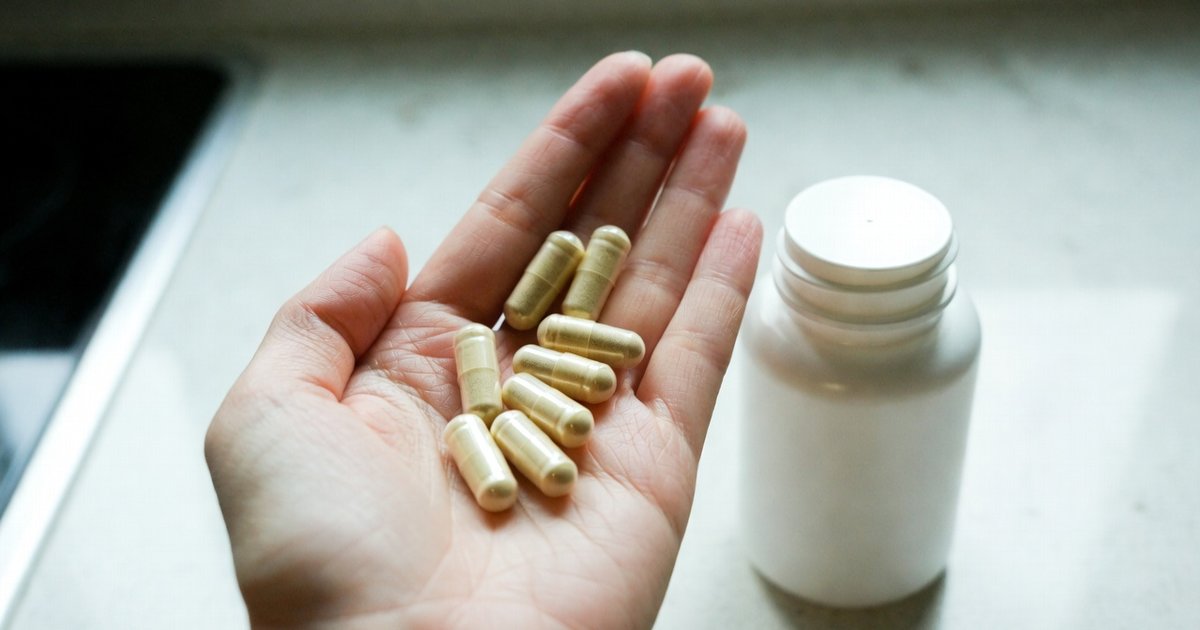
I remember a client who showed up with a box of supplements that had cost him real money. "I take a fat burner, L-carnitine, and that green tea thing for metabolism, and it still will not move." Of course it will not move. Because the only thing that actually burns fat is not something you buy in a shop. On the "fat burner" shelf, a few things have some support in the science. The rest is a marketing story.
There is no magic fat burner. You burn fat only in a calorie deficit, and no supplement gets around that law. Caffeine has a real effect, and it is small, mostly as a performance aid before training. L-carnitine, CLA, raspberry ketones, garcinia, and detox teas are wasted money.
First, how this actually works in the body
The word "burner" makes people picture a pill that sets fat on fire the way lighter fluid gets a grill going. The body does not work like that. Your body releases and burns fat all day. You lose fat overall only when, over time, you take in less energy than you use. That is a calorie deficit, and it is the only lever that actually removes fat.
Most "fat burners" play a different game. They try to raise your energy expenditure by a few percent (thermogenesis), or to nudge fat out of the cell a little. Even if that worked exactly as the ad says, we are talking about tens of calories a day. Eat one extra bread roll and you are back at zero. A stimulant or a capsule of extract won't outweigh what's on your plate.
The International Society of Sports Nutrition (ISSN) reviews supplements regularly. Strong evidence exists for only a handful, such as creatine, protein and caffeine for performance. For most weight loss ingredients the evidence is weak, mixed, or missing.
Caffeine: this is where the science has something to say
Caffeine is the only one in the group with a real effect that is also reasonably safe, and even then it is smaller than people think. It does two things reasonably well. First, it raises energy expenditure a little, because it is a stimulant and it turns thermogenesis up. Second, and this is the main one, it is ergogenic: it improves performance, delays fatigue, and the session feels easier. You train more, and harder, and that is how you burn more, indirectly.
The catch: the effect on expenditure itself is small, and the body gets used to caffeine. With daily use you build a tolerance, and a good part of the kick you feel at the start fades within a few weeks. So treat caffeine as a performance aid: one dose on purpose before training does more than coffee poured in all day as part of a miracle protocol.
Green tea and EGCG: marginal, but at least real
The second most common player is green tea extract, specifically the catechin EGCG, often combined with caffeine. The theory makes sense: catechins may slow the breakdown of noradrenaline a little, and that can slightly support expenditure and fat oxidation.
What the data shows: the effect is marginal. We are talking about very small differences on the scale over a longer stretch, and a large part of it is probably the caffeine that is also in those products. A cup of green tea with a meal? Fine, a healthy habit, no problem. A concentrated extract in a capsule that you pay for as a "fat burner"? You are wasting money. High-dose EGCG extracts also have reported cases of liver strain, so more is definitely not better.
Nicotine and ephedrine: they work, and that is why you should leave them
This part is different from the rest of the article. Ephedrine (and the old "ECA" stack with caffeine and aspirin) and nicotine really do suppress appetite and raise expenditure. I won't lie to you. The problem is the price you pay for it.
Ephedrine drives the heart, raises blood pressure, wrecks sleep, creates anxiety, and is linked with serious cardiovascular events. That is why the US FDA banned ephedra supplements, and why ephedrine is a prescription or restricted drug in many countries. People died on it. Nicotine is strongly addictive, and buying a dependence for a mild drop in appetite is the worst trade you can make. Both are risks dressed up as a shortcut. Leave them.
And now the marketing story
Here is the gallery of things sold with a beautiful label that were either never properly tested in people or did little against placebo:
| Supplement | What it promises | The reality |
|---|---|---|
| L-carnitine | It carries fatty acids into the mitochondria, where they get burned. More carnitine means more burning. | A healthy body has enough carnitine, and adding more does not kick it into gear. Meta-analyses find at most a small effect on body weight, mostly in older or overweight adults. Not worth paying for as a fat burner. |
| CLA | Conjugated linoleic acid "melts" fat and builds muscle. | It showed something in animals. In humans the results are tiny to nonexistent. A marketing legend. |
| Raspberry ketones | Weight loss like the one in the television ad. | Hype from one talk show. There is no good human trial of raspberry ketone on its own. |
| Garcinia cambogia | HCA blocks fat production and blunts appetite. | The effect on weight is zero to negligible, and there are reported cases of liver damage. |
| "Detox" or "metabolism booster" teas | They clean you out, start your metabolism, and melt fat. | Mostly just diuretic and laxative herbs. You lose water, not fat. And it comes back within a day or two. |
The common thread? Either it was never properly tested in people, or it was tested and the difference is one you cannot see. What "works" on a detox tea is usually water loss and an emptied gut. The scale drops the next day. Fat is not involved at all. It is an illusion you pay for every month. Using laxatives or diuretics to control weight is harmful: dehydration, electrolyte problems, a gut that stops working on its own. If you find yourself relying on them, talk to your doctor.
Why even the things that "work" are not enough
Say you take caffeine and green tea and both agree with you. What do you actually have? A small effect, and mostly a short one. The body gets used to stimulants, the early bump in expenditure fades, and you are left where something else decides the result: how much you eat, and how much you move.
This is the core of the fat burner problem. People take them as a substitute for the work, not as a cherry on top. They buy the capsules and tick "I am doing something about it." At best, that capsule is a small help for performance. The rest is food and the deficit, and nobody can buy that for you. A supplement can be a period at the end of a well-set base. It never replaces the base.
Safety: underestimate this at your own risk
Commercial "fat burners" often mix large doses of stimulants (caffeine, synephrine, yohimbine, and others), and here it is no longer about wasted money. It is about health. What that can do:
- Heart and blood pressure. Pounding, a fast pulse, higher blood pressure. If you have any cardiovascular problem, this is outright dangerous.
- Sleep. A stimulant in the afternoon breaks your sleep, and poor sleep drives hunger and cravings and makes the deficit much harder to stick to. You are shooting yourself in the foot.
- Anxiety and jitteriness. Large doses of stimulants cause shakiness and inner restlessness. If you live with an anxiety or panic disorder, avoid stimulant fat burners and talk to your doctor first.
- The liver. High-dose extracts (green tea, garcinia) have reported cases of liver strain in the literature.
And because supplements are not regulated the way drugs are, you often do not know exactly what is in the capsule, or at what dose. So for anyone on medication, or with a health problem, the rule is simple: ask your doctor first, and only then swallow anything. If you're pregnant or breastfeeding, skip fat burners entirely and ask your doctor how much caffeine is fine for you.
What to do with this
- Skip these outright: L-carnitine, CLA, raspberry ketones, garcinia, "detox" and "metabolism booster" teas, commercial fat burners with a secret stimulant blend. Wasted money, and sometimes a risk.
- At most, consider this: ordinary caffeine, used on purpose before training (even just coffee), if it helps you train better. Green tea as a drink, not as an expensive extract. Do not expect more than that.
- Where the result actually sits: a modest calorie deficit, enough protein (roughly 1.6 to 2.2 g per kilogram), strength training, steps, and sleep. The deficit is what burns fat. Protein, strength training, steps and sleep make the deficit easier to keep and help you hold on to muscle. Nobody sells any of it in a capsule, which is exactly why the ads don't talk about it.
Next time you see "fat burner" on a shelf, translate the label as "a supplement that won't eat less for you." Be Effective!
Frequently asked questions
Does caffeine help with fat loss?
It raises energy expenditure a little, and mainly it improves performance and delays fatigue, so you train more and harder. The effect on expenditure itself is small, and after a few weeks of daily use the body builds a tolerance. Use it on purpose before training. If you have a health problem, take medication, or are pregnant or breastfeeding, only after you talk to a doctor.
Does green tea extract (EGCG) work?
The effect is small, and a large part of it is probably the caffeine that is also in those products. Green tea as a drink is fine. Paying for a concentrated extract is a waste of money, and high-dose EGCG extracts have reported cases of liver strain.
What about ephedrine or nicotine?
They work for appetite and for raising expenditure, and the price is high. Ephedrine drives the heart, raises blood pressure, and is linked with serious cardiovascular events. Nicotine is strongly addictive. Leave them.
Are commercial fat burners safe?
They often mix large doses of stimulants (caffeine, synephrine, yohimbine, and others), which can strain the heart and blood pressure, break sleep, and cause anxiety and jitteriness. With any cardiovascular problem this is outright dangerous. Supplements are not regulated like drugs, so if you take medication, have a health problem, or are pregnant or breastfeeding, ask a doctor first.
So what actually burns fat?
A modest calorie deficit is what burns fat. Enough protein (roughly 1.6 to 2.2 g per kilogram), strength training, steps, and sleep make that deficit easier to keep and help you hold on to muscle.
You might also like
- How much coffee a day, and what it actually does
- Objections to a calorie deficit
- Cardio burns less than you think
- Weight loss injections (Ozempic, Wegovy): what to know
If you want a calorie number to start from, use the calorie calculator.
Want me to coach you?
Gold coaching in English, fully written. A weekly report from your phone (3 minutes), my written answer with your plan, WhatsApp support Monday to Friday, calories and macros adjusted every week, a plan for eating out and travel. No video calls needed.
Apply for coaching Get the free Fat Loss Kit
Martin Barna
Online nutrition and fitness coach. Since 2013 I have coached 600+ clients.
Apply for coachingThis article is for information only. It is not medical advice. Talk to a doctor before using supplements or stimulants if you have a health condition, take medication, or are pregnant or breastfeeding.